
Our Focus
Closing the Life Expectancy Gap
Our Goal,
In Focus
To build health equity and increase personal and community safety and well-being across Chicago’s neighborhoods

Vision for Change
We believe Chicago can be a city where life expectancy is no longer determined by geography or demographics. Where all Chicagoans experience good health, healing and dignity. Where all neighborhoods feel safe, community sounds like nature and laughter, and systems respond with holistic and coordinated care. In this Chicago, approaches that build connection and hope — even in moments of crisis — become the norms that guide our collective and equitable future.
The Changes We Seek Through Our Grantmaking
Changing the dynamics that keep inequity in place requires moving beyond reactive responses and investing in coordinated, holistic approaches and systems that address the root causes of the life expectancy gap.
Closing the life expectancy gap means moving away from punishment and toward healing.
Our grantmaking supports organizations and initiatives that work in key priority areas and use specific approaches to contribute meaningfully to these outcomes:
Grantmaking Priorities
Ending Cycles of Harm
Many Chicagoans at highest risk for early mortality cycle repeatedly through the health, homelessness, criminal-legal and other public systems without receiving the coordinated, healing-centered support these systems should provide. To change this, we direct resources toward the development and strengthening of:
Healing and Harm Reduction Infrastructure that:
Social Service and Healthcare System Transformation to Provide Coordinated, Holistic Care in an integrated system that:
Deeper Investments in Critical Drivers
Our grants will go deeper in two targeted areas where there is particular opportunity for impact in Chicago, especially for those at highest risk for early mortality:
Family and Community Violence Prevention and Intervention Programs, Policies and Research that:
Opioid Overdose Reduction Programs, Policies and Research that:
While these are the priority areas that will guide grantmaking toward our Closing the Life Expectancy Gap goal for the next several years, we are also eager to learn of — and may occasionally provide grants to — other innovative approaches and effective ideas that show promise toward the ultimate goal of increased life expectancy in Chicago’s historically disinvested communities.
Arts and Culture in Closing the Life Expectancy Gap
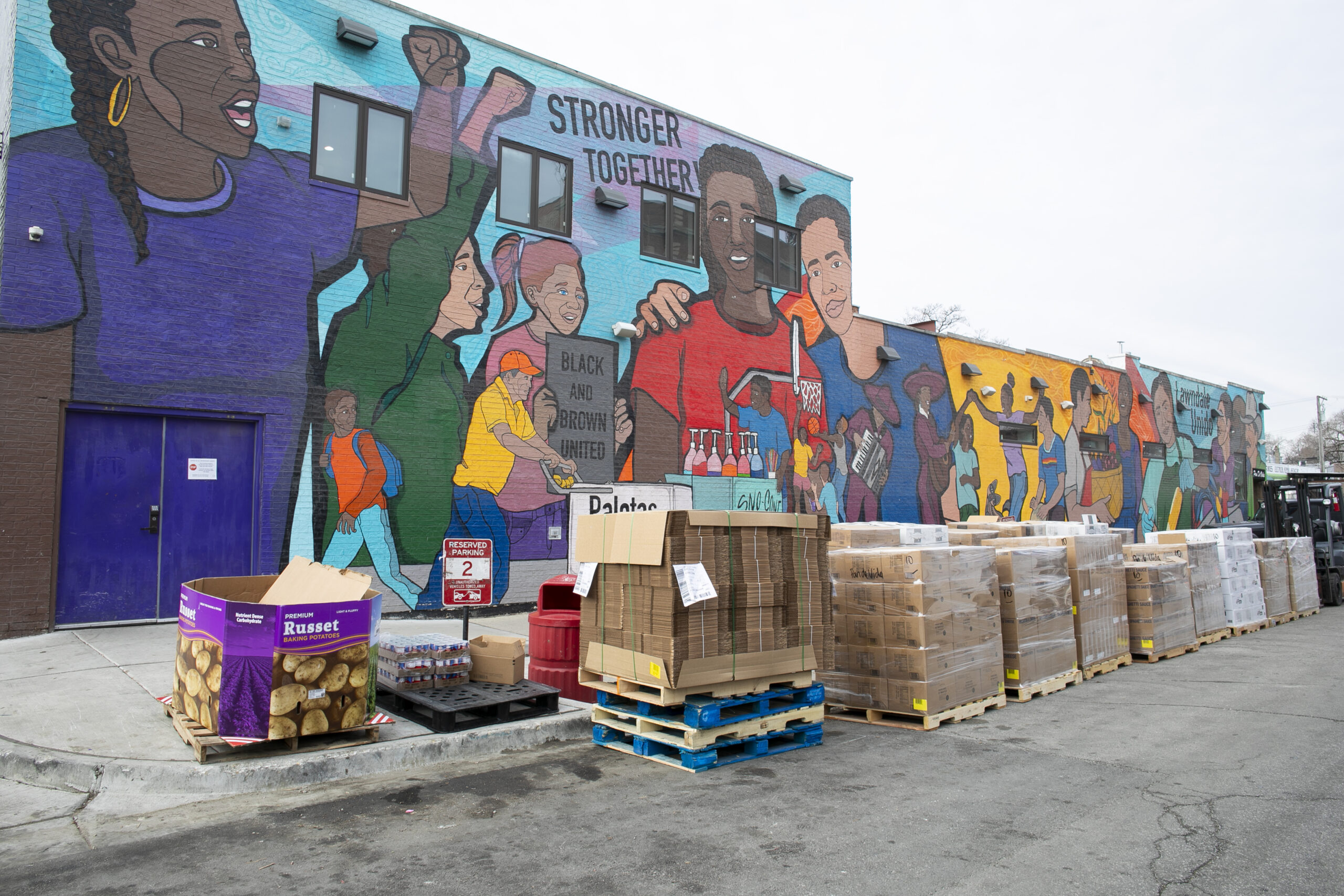
The Foundation encourages arts and culture-based efforts as part of this goal. The arts are known to inspire and improve healing, wellness and community connection. We will support organizations that work at the intersection of arts and wellness, build social-emotional skills and improve engagement with communities, schools and neighborhood anchors.
Approaches We Seek to Fund
Real transformation happens when programs, community power, infrastructure, policies and new ideas move forward together. That’s why we fund work that drives progress in the above Grantmaking Priorities and that takes one or more of the following approaches:
Immediate intervention
Direct services, programs, and critical care to help alleviate the effects of poverty and inequity and improve quality of life
Typical grant range: $50,000 – $150,000. Final grant amounts vary based on several factors and may differ from the amount requested.
Community power and influence
Organizations, networks, and coalitions working to build community, trust, and shared goals to act together to influence change
Typical grant range: $75,000 – $150,000. Final grant amounts vary based on several factors and may differ from the amount requested.
Ecosystem of change
Efforts to create critical infrastructure and conditions for social change through multiplier effects such as research and data dissemination, public awareness efforts, convenings, leadership development, and nonprofit sector strengthening
Typical grant range: $100,000 – $250,000. Final grant amounts vary based on several factors and may differ from the amount requested.
Community innovation
Proof-of-concept efforts to develop, pilot, or otherwise accelerate creative ideas that are responsive to emerging community needs and that can provide shared learning for community, the field and philanthropy
Typical grant range: $50,000 – $150,000. Final grant amounts vary based on several factors and may differ from the amount requested.
